Latest Trends in E-commerce for the Aesthetic Medicine Industry
Introduction to E-commerce Trends in Aesthetic Medicine
The aesthetic medicine industry is rapidly evolving, driven by innovative technologies and changing consumer behaviors. As more patients seek convenience and personalization, e-commerce has become a crucial component for clinics and practitioners. This blog post explores the latest trends shaping e-commerce in the aesthetic medicine sector.
Personalized Online Consultations
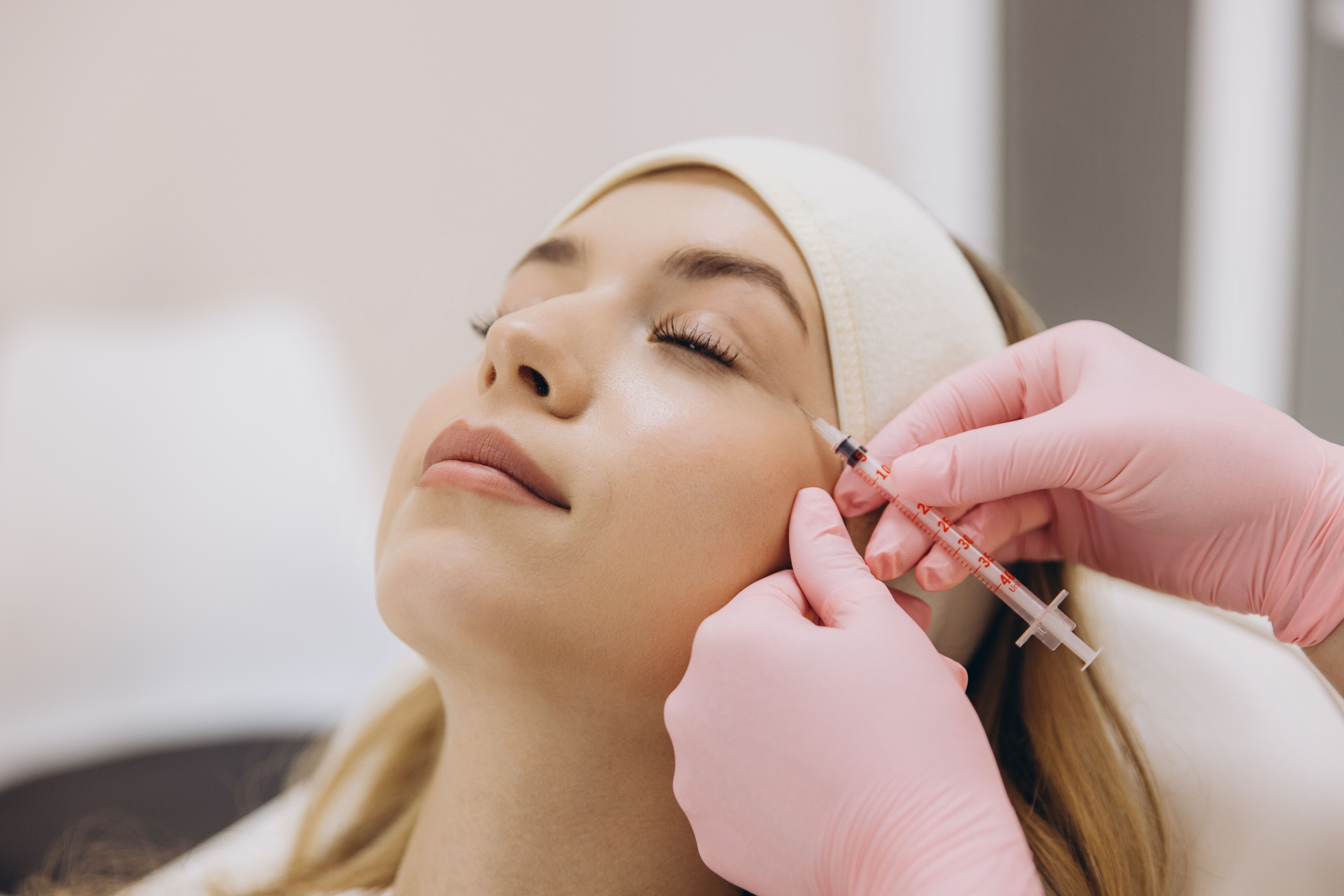
One significant trend is the rise of personalized online consultations. Many clinics now offer virtual consultations, allowing patients to discuss their needs and concerns from the comfort of their homes. This approach not only enhances convenience but also broadens the reach of aesthetic services to a global audience.
By leveraging AI-driven tools and video conferencing software, practitioners can provide tailored recommendations and build stronger relationships with their clients. This trend is expected to continue growing as technology further integrates with healthcare services.
Subscription-Based Models
The subscription-based model is gaining traction in the aesthetic medicine industry. Clinics are offering subscription packages for ongoing treatments and skincare products, providing a steady revenue stream and fostering customer loyalty.
Patients benefit from exclusive discounts, priority booking, and a personalized experience that aligns with their beauty goals. Subscription models also encourage regular engagement with the clinic, enhancing the long-term success of aesthetic treatments.

Augmented Reality for Enhanced Shopping Experiences
Augmented Reality (AR) is revolutionizing how consumers interact with aesthetic products online. AR technology enables potential clients to virtually "try on" procedures and products, offering a realistic preview of results before committing to a purchase.
This immersive experience not only boosts confidence in purchasing decisions but also reduces the likelihood of returns and dissatisfaction. As AR technology continues to advance, its application in e-commerce will become even more widespread.
Data-Driven Marketing Strategies
In the digital age, data is a powerful tool for understanding consumer behavior. E-commerce platforms in the aesthetic medicine industry are leveraging data analytics to create targeted marketing strategies. By analyzing purchasing patterns and preferences, clinics can tailor their offerings to meet specific customer needs.
This data-driven approach helps in crafting personalized marketing campaigns, optimizing product recommendations, and enhancing the overall shopping experience.

Conclusion
The e-commerce landscape in the aesthetic medicine industry is continuously evolving, with technology playing a pivotal role in shaping consumer experiences. From personalized consultations to AR-enhanced shopping, these trends are transforming how clinics connect with their clients. By staying attuned to these developments, practitioners can ensure they remain competitive in this dynamic market.