How to Integrate Payment Systems in Your E-commerce Store
Integrating a payment system into your e-commerce store is a crucial step in ensuring a seamless shopping experience for your customers. A well-integrated payment system not only provides security but also enhances customer satisfaction and boosts sales. In this post, we'll guide you through the essential steps and considerations for integrating payment systems into your online store.

Understanding Your Payment System Needs
Before diving into integration, it's important to understand your specific needs. Consider the types of products you sell, your target audience, and the geographical regions you serve. These factors will influence your choice of payment processors and methods.
Assessing Payment Methods
Offering a variety of payment methods is key to catering to diverse customer preferences. Common options include credit and debit cards, digital wallets like PayPal and Apple Pay, and local payment methods specific to certain regions. Ensure that the payment system you choose supports these options to maximize accessibility.
Choosing the Right Payment Processor
Selecting a payment processor is one of the most critical decisions. Consider factors such as transaction fees, security features, and ease of integration. Popular processors include Stripe, PayPal, and Square, each with its own strengths and weaknesses.
Evaluating Security Features
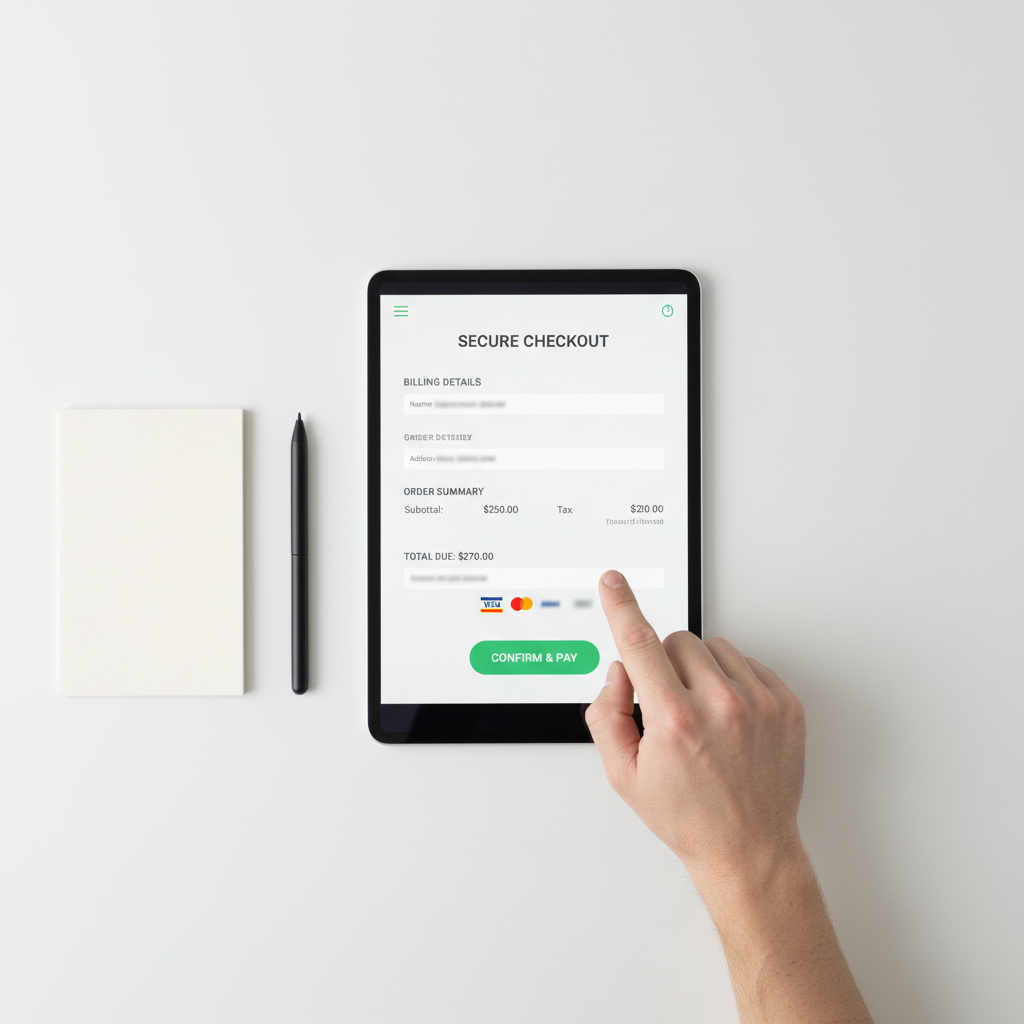
Security is paramount in payment processing. Look for systems that offer robust security measures like encryption, fraud detection, and compliance with standards such as PCI DSS. These features protect both your business and your customers from potential threats.
Integrating the Payment System
Once you've chosen a payment processor, the next step is integration. Most modern e-commerce platforms, like Shopify, WooCommerce, and Magento, offer plugins or built-in support for major payment gateways, simplifying the process significantly.
Testing the Integration
After integration, thoroughly test the payment system to ensure it operates smoothly. Create test transactions to verify that payments are processed correctly and that the user experience is seamless. Identify and resolve any issues before going live to avoid potential disruptions.

Monitoring and Optimization
Once your payment system is live, continuous monitoring is essential. Keep an eye on transaction success rates, customer feedback, and any error messages. Regularly update your payment system and optimize it to adapt to changing customer needs and technological advancements.
By carefully selecting and integrating the right payment system, you can enhance your e-commerce store's efficiency, security, and customer satisfaction. With these steps, you're well on your way to providing a seamless payment experience that supports your business growth.